













Eight Ways to Lead During a Corporate Crisis
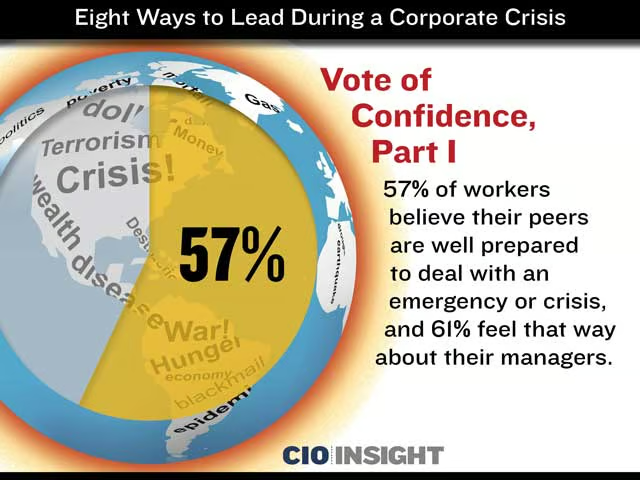
Vote of Confidence, Part I
57% of workers believe their peers are well prepared to deal with an emergency or crisis, and 61% feel that way about their managers.
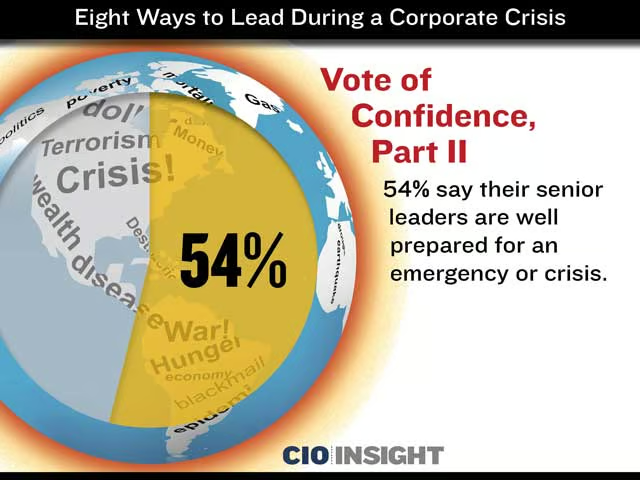
Vote of Confidence, Part II
54% say their senior leaders are well prepared for an emergency or crisis.
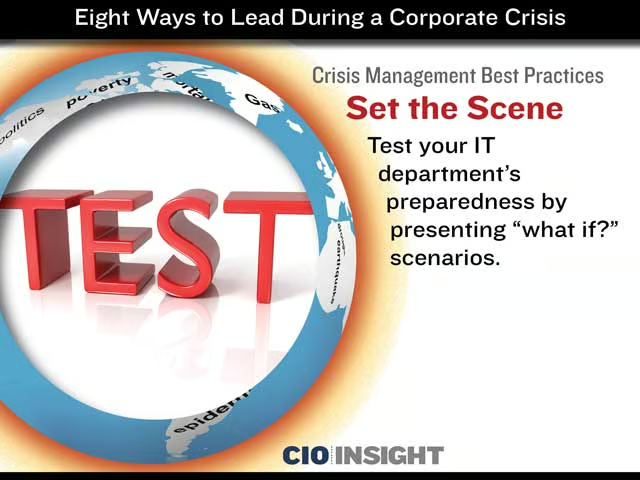
Crisis Management Best Practices: Set the Scene
Test your IT department’s preparedness by presenting “what if?” scenarios.
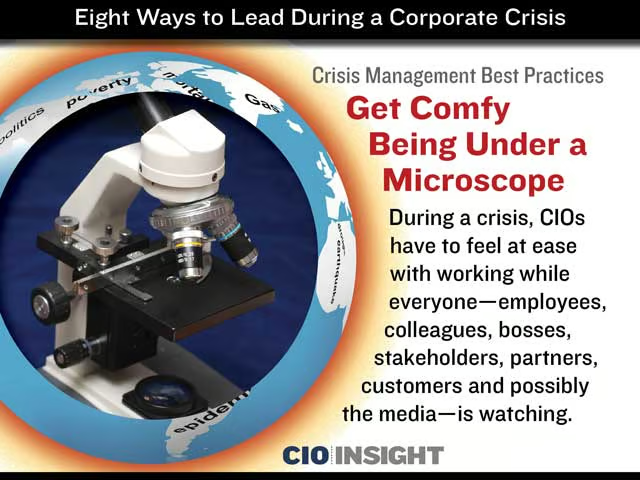
Crisis Management Best Practices: Get Comfy Being Under a Microscope
During a crisis, CIOs have to feel at ease with working while everyone—employees, colleagues, bosses, stakeholders, partners, customers and possibly the media—is watching.

Crisis Management Best Practices: Scout for Crisis Leaders
This would include employees who initiate their own work projects or aren’t overwhelmed by unexpected, negative circumstances.

Crisis Management Best Practices: Maintain Decorum
You’ll lead your teams much more effectively by speaking assertively and confidently under fire. Save any anger and venting for your out-of-office hours.
Crisis Management Best Practices: Recruit IT Employees Who Have Weathered Other Calamities
Ask candidates about the emergencies they’ve faced—and what they did to help lead their companies under duress.

Crisis Management Best Practices: Nix the Blame Game
In the moment of crisis, pointing fingers is a waste of time and energy—and it contributes to a negative and possibly acrimonious atmosphere.
Crisis Management Best Practices: Review—and Re-Review—Your Continuity Plan
A crisis often involves a natural disaster or other circumstance that disrupts tech and overall operations. Constantly re-access current business continuity procedures and systems to minimize the damage.

Crisis Management Best Practices: Social Sophistication
Social media can be your best friend, or your worst enemy, during a catastrophe. Always have a designated social-media policy and plan in place for these moments, and train a designated team to take on this responsbility.